Nutrition
Vegan, Paleo or Mediterranean? Let Your Genes Weigh In.
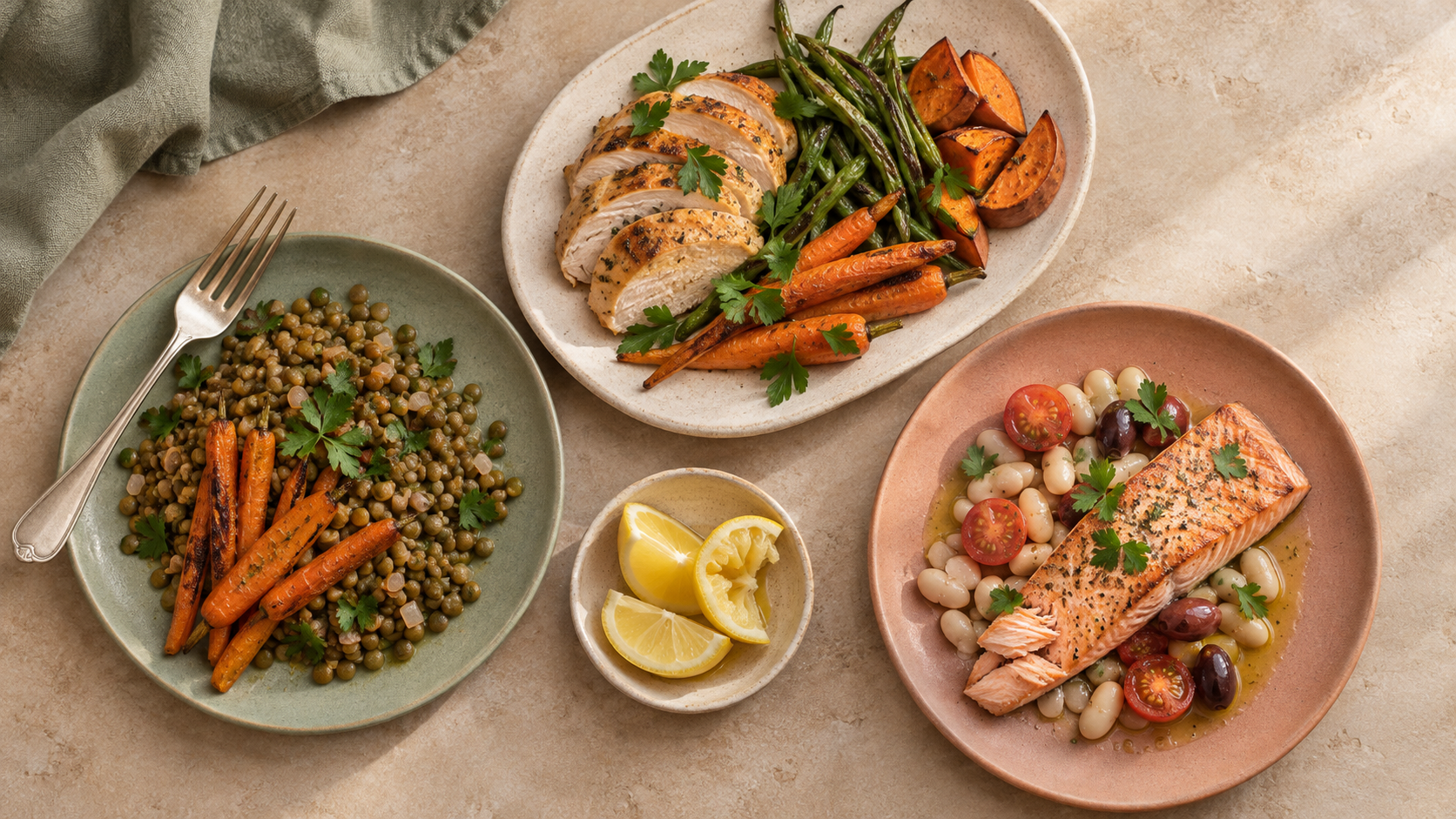
What if the best diet for you was exactly that: the one made just for you? Not the one winning the headlines this year, but one that fits both your genetic blueprint and the current state of your body. Vegan, paleo, Mediterranean, keto, carnivore: each has passionate believers, and each has people who tried it and felt worse.
That isn’t a contradiction. It’s bio-individuality. Marketing pushes one answer for everyone because a seller needs a message that fits every buyer. Your body never agreed to that deal.
So how do you choose? You can guess, try a plan for six months, and see what happens. Or you can gather real information about how your body handles fats, carbohydrates, plant compounds, and nutrients before you commit. One of the most useful tools I use with clients for that is the Nutrition Genome test.
Every popular approach gets something right, and every one has a weak spot for certain bodies. Here is how the big ones compare.
| Approach | What it emphasizes | Where it shines | Who may struggle |
|---|---|---|---|
| Vegan | Vegetables, fruit, legumes, grains, nuts, seeds; no animal foods | High fiber and plant polyphenols; feeds a diverse gut microbiome | People who convert plant nutrients poorly (vitamin A, omega 3s, choline) or who need B12 support |
| Paleo | Vegetables, quality animal protein, fruit, nuts; no grains, legumes, dairy or processed food | Steadier blood sugar; removes common inflammatory triggers | People who handle saturated fat poorly, or who undereat vegetables |
| Mediterranean | Vegetables, olive oil, fish, legumes, whole grains, herbs; little red meat | Monounsaturated fats and polyphenols; easy to sustain | People sensitive to gluten, grains or a higher carbohydrate load |
| Ketogenic | Very low carbohydrate, high fat, moderate protein | Strong blood sugar and insulin control | People who clear dietary fat slowly or struggle with cholesterol transport |
| Low-histamine, low FODMAP and other therapeutic plans | Short-term removal of specific triggers | Calming a reactive gut or immune system | Anyone who stays on them too long and narrows their diet |
Notice what they share. The good versions of all of them build the plate around vegetables, use culinary herbs and spices generously, and drop ultra-processed food and seed oils. The real differences come down to fat, carbohydrate load, animal protein, and a few specific foods. Those are exactly the places where your genes have something to say.
The same plate of food lands in two different bodies with two different instruction manuals. Small spelling differences in your genes, called SNPs (single nucleotide polymorphisms), change how well certain enzymes and transporters work.
That can mean one person turns beta-carotene from carrots into active vitamin A easily, while another barely converts it. One person clears saturated fat without trouble, while another sees cholesterol climb on a bacon-heavy plan. One person thrives on coffee, while another stays wired until midnight after a single morning cup.
None of these differences show up on a food label or a popular diet book. They show up in your DNA, and in how you feel when you eat.
Nutrition Genome is an at-home cheek swab test that reads about 100 genes chosen for their relevance to diet, lifestyle, and environment. You swab, mail the kit back, and results arrive on a private dashboard roughly 7 to 10 days after the lab receives your sample (Nutrition Genome).
The report is organized by body system rather than by gene, which makes it practical to work with. Areas include:
It also generates a personalized grocery list and a list of blood work worth discussing with your physician. This test can be ordered by anyone and completed quickly in your own home. Best part: it’s only done once. Your DNA doesn’t change, so your results stay useful for life.
No single gene picks your diet. But a handful of well-studied variants can tell you which approach is likely to work with you and which one will fight you. These are the kinds of findings I look for when a client is deciding.
| Gene | What it influences | How it can shift the choice |
|---|---|---|
| APOE | How you transport cholesterol and respond to saturated fat | E4 carriers often do better with olive oil, fish and avocado than with a butter-and-bacon style paleo or keto plan |
| FADS1 / FADS2 | Converting plant omega-3s (flax, chia, walnuts) into EPA and DHA | Slow converters on a vegan plan may need algae-based omega-3s or may do better including wild-caught fish |
| BCO1 | Converting beta-carotene into active vitamin A | Poor converters struggle to get enough vitamin A from plants alone; eggs, liver or fish fill the gap |
| PEMT | Making choline, needed for liver, brain and cell membranes | Higher choline needs make a strictly plant-based diet harder to meet without eggs or careful planning |
| FUT2 | Vitamin B12 levels and the makeup of the gut microbiome | Adds weight to monitoring B12 closely, especially when animal foods are low |
| TCF7L2 | Blood sugar and insulin response | Higher-risk variants point toward a lower carbohydrate load, even within a Mediterranean pattern |
| HLA-DQ2 / DQ8 | Genetic potential for celiac disease | Carrying them doesn’t mean you have celiac, but it strengthens the case for a grain- and gluten-free trial |
| MCM6 | Whether you keep making lactase as an adult | Points to dairy as a likely source of digestive trouble |
| CYP1A2 | How fast you clear caffeine | Slow metabolizers may feel better limiting coffee and keeping it to the morning |
Put a few of these together and a picture forms. A client with APOE4, slow omega-3 conversion and a TCF7L2 risk variant is steered toward a vegetable-forward, lower carbohydrate plan built on fish, olive oil and herbs, rather than strict vegan or a heavy meat keto approach. Someone with efficient conversion genes and no fat-handling concerns has far more room to choose.
Genes load the dice; your terrain decides how they roll. A variant shows a tendency, not a diagnosis, and whether it matters depends on what you eat, how you sleep, your stress, your toxin exposures and your gut.
The reverse is true too. Your terrain can be out of balance even when your genes look fine. Blood sugar is a good example: your report may show no genetic red flags, yet stress, poor sleep, a high-carbohydrate diet or cancer treatment can still put your blood sugar on a roller coaster. A gene test won’t show that. Functional bloodwork and your symptoms will, and your diet needs to address it right now.
It’s also fair to say the science is still maturing. Some variants, like those for lactase and celiac risk, are well established. Others have mixed research behind them, and a 2015 meta-analysis of genes common on commercial nutrigenomic panels did not find consistent links to diet-related disease (Pavlidis et al., OMICS). That’s why I never read a gene report in isolation.
In my practice the sequence is Observe, Don’t Guess, Test, Address, Discuss. Nutrition Genome shows the blueprint. Functional labs such as GI-MAP, DUTCH, SpectraCell and the Organic Acids Test (OAT) show what is happening right now. Your symptoms and how you respond to food tie it together.
The honest answer: the one built around your genes and the state of your terrain today. For most people that ends up as a vegetable-forward plate with clean, well-sourced protein, generous herbs and spices, and the fats and carbohydrate load their genes and terrain can handle. The label you put on it matters far less than the fit.
If you’re tired of guessing, a Nutrition Genome test is a smart, once-in-a-lifetime starting point. Paired with functional bloodwork, the right functional labs, and a practitioner who can read them together, it turns a confusing choice into a personal plan.
This article is for education only and is not medical advice. My work is complementary to the care of your physician and oncology team. Please talk with your providers before making significant changes to your diet.
Meaningful conversations with survivors, caregivers, and experts. The CancerBuddy Conversation series brings together diverse voices in candid, uplifting dialogue—offering wisdom, shared experience, and real-life perspective from across the cancer community.
Learn More
With rising cancer rates, our work has never been more important. All donations for the Bone Marrow & Cancer Foundation go to services that directly help cancer patients, survivors, and families. The Foundation relies 100% on private donations. We depend on individual and corporate donors, as we don’t receive government or public funding. We offer innovative ways to contribute, and options for doubling the impact of donations. Thank you for your support, it means so much to so many patients.
Donate