Blogs
Understanding Sugar, Cancer, and the Ketogenic Diet

If you’ve been diagnosed with cancer, you’ve probably heard conflicting information about sugar and diet. Some people say ‘sugar feeds cancer,’ while others dismiss this entirely. The truth, as with most things in nutrition science, is more nuanced—and more actionable—than either extreme suggests.
As a Board Certified Holistic Nutritionist specializing in integrative oncology, I want to help you understand the real relationship between sugar metabolism, cancer growth, and how strategic dietary approaches like the ketogenic diet may support your treatment journey.
Normal cells in your body are flexible—they can create energy from glucose (sugar), fats, or even proteins when needed. Cancer cells, however, have a metabolic quirk discovered nearly a century ago by Dr. Otto Warburg. They prefer to use glucose for energy, even when oxygen is plentiful,
through a process called glycolysis.1
This phenomenon, known as the Warburg Effect, means that cancer cells consume glucose at rates 10–100 times higher than normal cells.2 They are essentially addicted to sugar as theirprimary fuel source.
Here’s where we need to be precise: eating sugar doesn’t directly cause cancer. However, chronically elevated blood sugar and insulin levels create an internal environment—what I call
your “terrain”—that can promote cancer growth and progression.3
When you eat sugar or refined carbohydrates, your blood sugar rises and your pancreas releases insulin to move that sugar into your cells. The problem? Insulin isn’t just a blood sugar regulator—it’s also a powerful growth factor.
Elevated insulin levels can:
The typical Western diet is loaded with refined carbohydrates and added sugars—averaging over 150 grams of sugar per day for many Americans.8 This constant glucose and insulin surge creates metabolic chaos that can undermine your body’s ability to fight cancer effectively.
The ketogenic diet is a high-fat, adequate-protein, very low-carbohydrate eating pattern that shifts your body’s primary fuel source from glucose to ketones—compounds your liver makes from fat.9
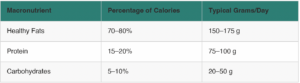
While the metabolic principles are sound, implementing a ketogenic diet during cancer treatment requires professional guidance.
Not all cancers respond the same way. Some research suggests certain cancer types may be more responsive to metabolic interventions than others.16 Your specific diagnosis, treatment protocol, and overall health status must be considered.
Starting a ketogenic diet requires:
If a full ketogenic approach isn’t appropriate for you, blood sugar management remains crucial. Consider these strategies:
1. Reduce Refined Carbohydrates
Eliminate white bread, pasta, pastries, and processed foods with added sugars.
2. Choose Low-Glycemic
Foods Focus on non-starchy vegetables, berries, nuts, seeds, and legumes when eating carbohydrates.
3. Prioritize Protein and Healthy Fats
These nutrients slow glucose absorption and improve satiety without spiking blood sugar.
4. Time Your Eating
Consider intermittent fasting protocols (with professional guidance) to extend periods of low insulin levels.
5. Add Cinnamon and Apple Cider Vinegar
These traditional remedies have evidence supporting improved insulin sensitivity.17,18′
6. Stay Active Movement
helps cells take up glucose without requiring insulin, improving overall metabolic health.
Remember, nutrition is just one aspect of optimizing your internal terrain. The ketogenic diet or blood sugar management works best when combined with:
The connection between sugar, cancer, and metabolism is real and significant. While sugar doesn’t directly cause cancer, the metabolic environment created by high-sugar diets can fuel cancer growth and undermine treatment effectiveness. The ketogenic diet represents a promising metabolic intervention that may offer complementary support during cancer treatment by:
This blog is for educational purposes only and does not constitute medical advice. Always consult with your oncologist and healthcare team before making significant dietary changes during cancer treatment.
By Christina Merrill, MSW When someone hears the words, “You have cancer,” life immediately changes. Beyond the medical appointments, treatment…
Read Morewritten by Debbie Dolan Sweeney, BCHN, FDNP, ONC “Cancer runs in my family.” This statement often carries a sense of…
Read MoreWhen it comes to cancer, feelings of loneliness and isolation are heartbreakingly common. For many, connection isn’t just a comfort—it’s…
Read MoreMeaningful conversations with survivors, caregivers, and experts. The CancerBuddy Conversation series brings together diverse voices in candid, uplifting dialogue—offering wisdom, shared experience, and real-life perspective from across the cancer community.
Learn More
With rising cancer rates, our work has never been more important. All donations for the Bone Marrow & Cancer Foundation go to services that directly help cancer patients, survivors, and families. The Foundation relies 100% on private donations. We depend on individual and corporate donors, as we don’t receive government or public funding. We offer innovative ways to contribute, and options for doubling the impact of donations. Thank you for your support, it means so much to so many patients.
Donate