Blogs
Extinguishing the Fires of Cancer with Food: How an anti-inflammatory, pro-resolving plate cools the terrain in which cancer grows
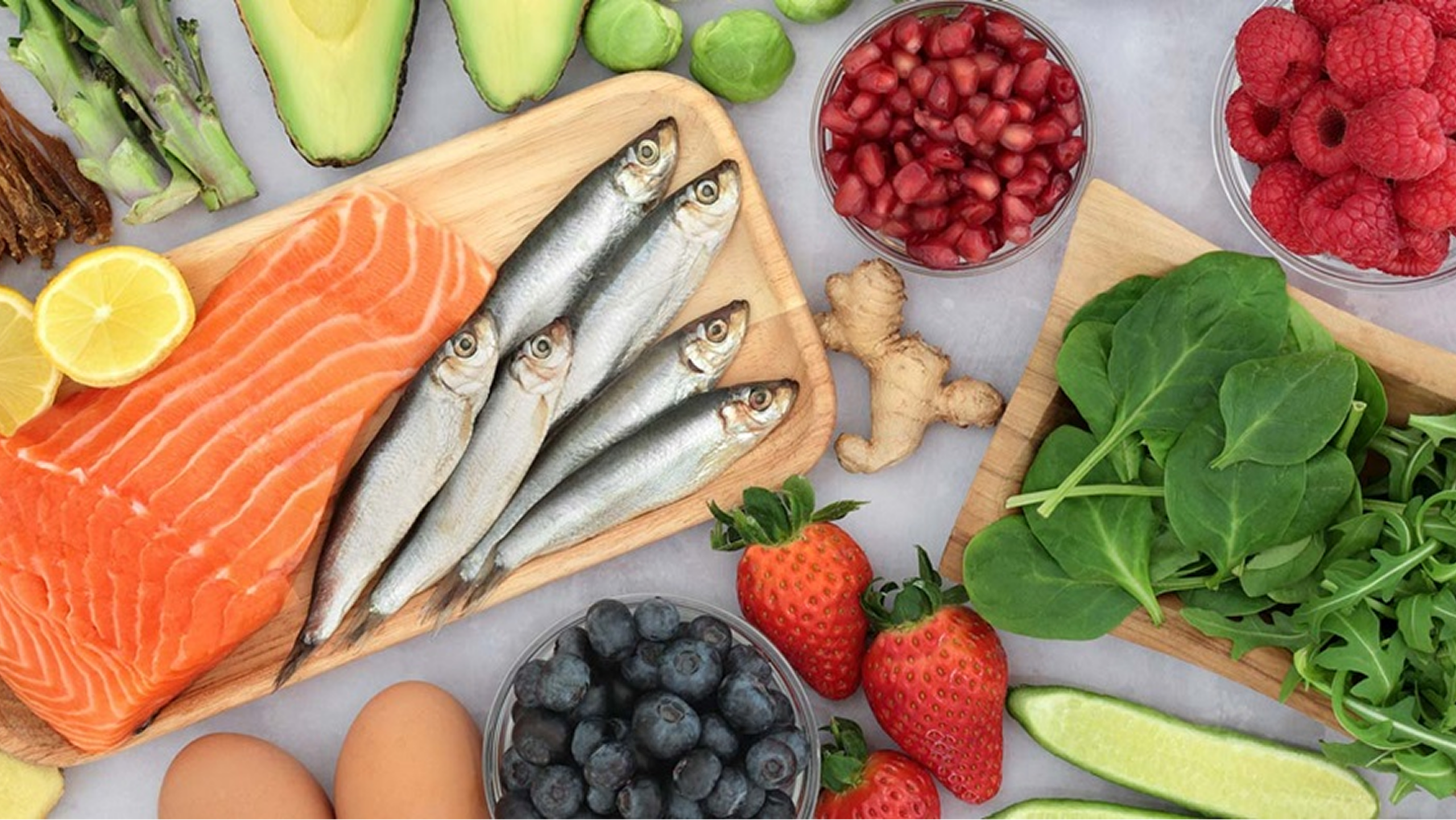
The word inflammation comes from the Latin inflammare — “to set on fire.” It is a fitting image. A well-controlled fire is a gift: it warms the house and cooks the meal. But a fire that smolders behind the walls, day after day, quietly chars the structure until something gives way. In The Metabolic Approach to Cancer, Dr. Nasha Winters and Jess Higgins Kelley devote an entire chapter — fittingly titled “The Inflammation-Oxidation Association: Extinguishing the Fires of Cancer with Food” — to this exact idea.1It is the sixth of the Ten Terrains, and it is one of the most modifiable of them all, because so much of it is decided three times a day, on your plate.
Not all inflammation is harmful. Acute inflammation is the body doing its job: it rushes immune cells to a cut or an infection, clears the threat, and then — crucially — switches itself off. Trouble begins when that off-switch fails, and the fire becomes chronic: low-grade, silent, and persistent. This smoldering state is now recognized as one of the enabling characteristics of cancer in the landmark “Hallmarks of Cancer” framework.2,3 Chronic inflammation supplies tumors with growth signals, helps them recruit blood vessels, and creates a microenvironment that shields abnormal cells rather than eliminating them.5
At the center of this process sits a master switch called NF-κB. When chronically activated, it turns on a cascade of inflammatory genes that drive cell survival and proliferation — a key reason researchers describe NF-κB as the molecular link between inflammation and cancer.4.Persistent inflammation also generates a steady stream of DNA damage, increasing the mutations that fuel the cancer-inducing process.7
Winters and Kelley pair inflammation with oxidation for good reason: the two feed each other in a vicious cycle. Oxidative stress — an excess of reactive oxygen species (ROS) over the body’s antioxidant defenses — activates NF-κB. NF-κB, in turn, drives inflammatory signals that generate even more ROS, which inflict further oxidative damage. Each loop reinforces the next, and over time this self-amplifying spiral promotes the very behaviors that define malignancy.6 The terrain insight is liberating rather than alarming: if the fire is fed by what surrounds the cell, then changing that environment changes the conditions in which cancer tries to grow.
Here is the part too often missed. Your body is not designed merely to stop inflammation — it is designed to actively resolve it. It does this using specialized pro-resolving mediators (SPMs) with names like resolvins, protectins, and maresins, which clear out cellular debris and restore calm.8 And these resolution molecules are built directly from the omega-3 fats EPA and DHA — the very fats found in wild-caught fish. In other words, the off-switch for the fire is something you eat. This is why “extinguishing the fires with food” is more than a metaphor: food supplies the literal raw material the body uses to put the fire out.
Every meal sends a message. Large population studies using the Dietary Inflammatory Index — a score of how pro- or anti-inflammatory a diet is — have found that the most pro-inflammatory eating patterns are associated with roughly a 40% higher risk of colorectal cancer compared with the most anti-inflammatory ones.9.
Not every anti-inflammatory food works the same way, and one distinction matters enormously in cancer care: the difference between dousing the fire directly and training your body to fight its own fires. Compounds in colorful plants — the polyphenols in turmeric, berries, green tea, and olive oil — help quiet the NF-κB switch directly.11,12 But cruciferous vegetables do something even more elegant. The sulforaphane in broccoli, kale, and especially broccoli sprouts activates a pathway called Nrf2, which switches on your body’s own antioxidant and detoxification enzymes.13In a randomized human trial, broccoli-sprout beverages measurably increased the clearance of an airborne carcinogen — evidence that food can upgrade your internal defenses, not just neutralize a single threat.13
This is also why food-based antioxidants and high-dose isolated antioxidant supplements are not interchangeable, especially during active treatment, when some therapies rely on oxidative stress to work. Whole foods build a resilient internal terrain; megadose supplements can occasionally work at cross-purposes. The principle is simple: build redox reserve with food first, and test rather than guess before adding isolated antioxidants — always alongside your oncology team
You do not need to take out the calculator measuring every teaspoon. You also are not required to have a chemistry degree — What you do need is a pattern you can repeat:
Of the Ten Terrains, inflammation and oxidation may be the one where your daily choices carry the most direct, measurable weight. You can track the fire with your care team using markers such as high-sensitivity CRP and other functional labs, and watch the trend respond as the terrain shifts. That is the deeper meaning of taking your seat at the table: you are not a bystander to your biology. Three times a day, you decide whether the next meal adds fuel to the fire or helps put it out — and that quiet, repeated choice is one of the most powerful tools you hold.
This article is educational and is not medical advice, diagnosis, or treatment. Nutrition is designed to work alongside — never in place of — the care of your oncology team. Always coordinate dietary changes, supplements, and lab testing with your physicians and prescribing providers, particularly during active treatment.
References
Debbie Sweeney, BCHN, FDN-P, ONC MamaSweeney Nutrition — integrative oncology and functional nutrition. Terrain Over Tumor. What cancer care could…
Read MoreBy Debbie Sweeney, BCHN, FDN-P, ONC MamaSweeney Nutrition | Terrain Over Tumor Say the word “hormones” and most people think…
Read MoreBy Debbie Sweeney, BCHN, FDNp, ONC If you have ever been told to “boost your immune system,” you have probably…
Read MoreMeaningful conversations with survivors, caregivers, and experts. The CancerBuddy Conversation series brings together diverse voices in candid, uplifting dialogue—offering wisdom, shared experience, and real-life perspective from across the cancer community.
Learn More
With rising cancer rates, our work has never been more important. All donations for the Bone Marrow & Cancer Foundation go to services that directly help cancer patients, survivors, and families. The Foundation relies 100% on private donations. We depend on individual and corporate donors, as we don’t receive government or public funding. We offer innovative ways to contribute, and options for doubling the impact of donations. Thank you for your support, it means so much to so many patients.
Donate