Blogs
Your Immune System & Deep Nutrition : A Patient-Friendly Guide for Cancer Patients & Survivors. Feeding the body that protects you.
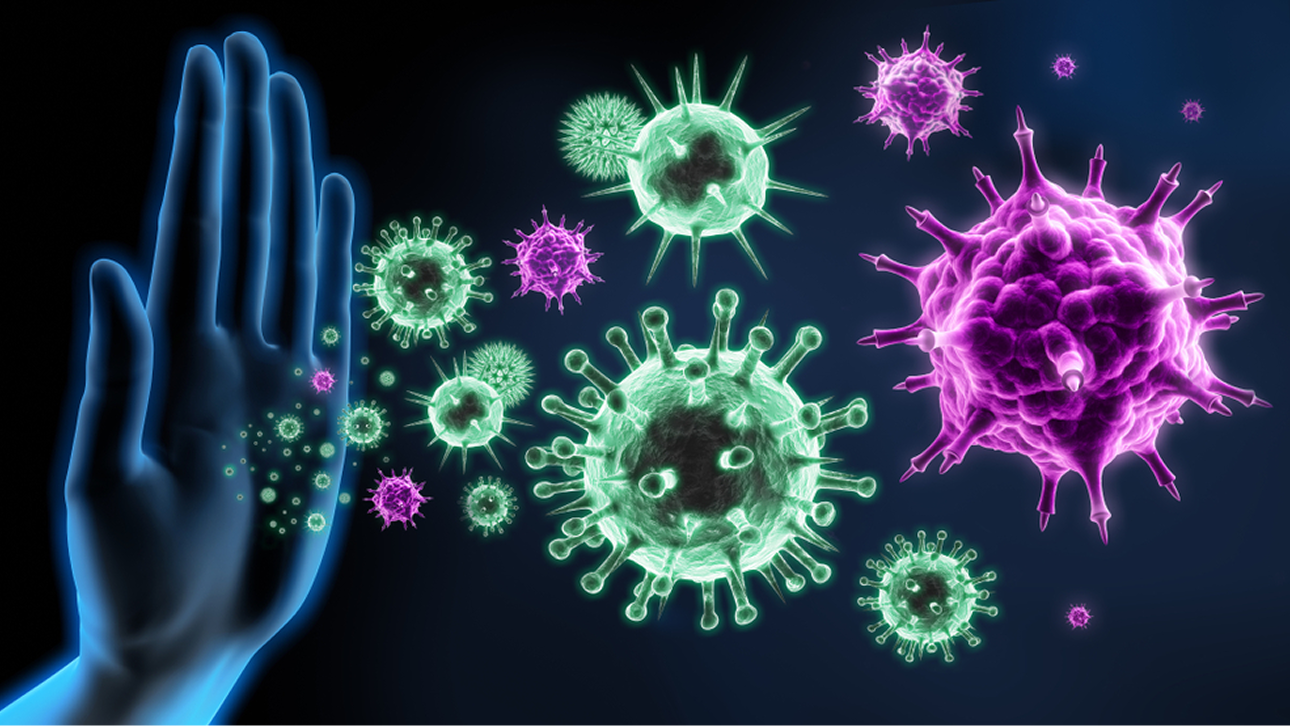
If you have ever been told to “boost your immune system,” you have probably wondered what that actually means. Is it a vitamin? A green smoothie? A supplement off the shelf at the health food store? The truth is more interesting, and far more empowering. Your immune system is not a single thing. It is a vast, intelligent network of cells, organs, and chemical messengers that is talking with every bite you take, every night you sleep, and every breath you breathe.
For someone living with cancer, or moving through survivorship, this conversation matters enormously. Cancer cells are not foreign invaders from the outside. They are your own cells that have lost their way. A healthy immune system recognizes these wayward cells and clears them out, quietly, every single day. When that surveillance system gets tired, distracted, or under-fueled, cancer has more room to grow. The good news? Deep nutrition, the kind that works at the cellular level, is one of the most powerful ways to support that surveillance team.
This guide draws on the work of Dr. Nasha Winters and Jess Higgins Kelley in The Metabolic Approach to Cancer, as well as current peer-reviewed research. Think of it as a friendly walk-through of how your immune system actually works and how the food on your plate can help it do its job.
“Terrain over tumor.” The goal is not just to fight what is wrong, but to nourish what is right.
Imagine your body as a small city. Like any city, it needs a patrol team that knows the residents, spots troublemakers, and keeps the peace. Your immune system is that patrol team, and it has two main divisions that work together.
These are the cells that show up first when something is off. They do not ask many questions. They just act. Natural killer (NK) cells, macrophages (which literally means “big eaters”), and neutrophils patrol your tissues looking for anything that does not belong, including cancer cells. Natural killer cells are especially important in cancer because they can recognize and destroy tumor cells without needing prior training.[1]
These cells take longer to mobilize, but they are precise. T cells and B cells learn the signature of specific threats and remember them. Cytotoxic T cells in particular are the cells your oncologist may mention when discussing immunotherapy, because they are the ones trained to kill tumor cells one at a time.[2]
Both teams need fuel, raw materials, and a calm working environment to do their jobs well. That is where deep nutrition enters the picture.
Deep nutrition is not about counting calories or chasing the latest superfood. It is about giving your cells the building blocks they need to function the way they were designed to function. Winters and Kelley describe this as feeding the terrain, the internal environment in which your cells live, rather than just feeding the body in a general sense.
When the terrain is healthy, your immune system has what it needs to spot and clear abnormal cells. When the terrain is depleted, inflamed, or overwhelmed by processed foods, your immune cells become like firefighters trying to work without water. The hose is there. The fuel just is not.
Certain nutrients show up again and again in the research as essential for immune function. None of them works alone. They work as a team, which is why food (where these nutrients arrive together, naturally packaged) tends to be more powerful than isolated supplements.
Vitamin D acts more like a hormone than a vitamin. It directs immune cells, helps them mature, and supports their ability to recognize and destroy abnormal cells. Low vitamin D levels are common in people with cancer and are associated with poorer outcomes across multiple cancer types.[4] Sunlight is the body’s preferred source. Food sources include wild-caught salmon, sardines, egg yolks from pasture-raised hens, and certain mushrooms exposed to sunlight.
Vitamin A helps immune cells communicate and is especially important for the mucosal barriers in your gut, lungs, and sinuses, the very places cancer often takes hold. Look for it in liver from grass-fed animals, egg yolks, and butter from pastured dairy. The plant-based form (beta-carotene) is found in deep-orange vegetables such as sweet potatoes, carrots, and winter squash.[5]
These two trace minerals are required for the production and function of natural killer cells and T cells. Zinc deficiency dampens immune response significantly, and selenium is needed for the body’s master antioxidant, glutathione.[6] Pumpkin seeds, oysters, grass-fed beef, and Brazil nuts (just one or two per day) are excellent sources.
Omega-3s from fatty fish like wild salmon, sardines, and mackerel help resolve inflammation. Notice that word, resolve. We do not want to eliminate inflammation entirely (it is part of healing), but we do want to keep it from becoming chronic. Chronic inflammation is one of the strongest drivers of cancer progression.[7]
These are the colorful compounds that give plants their hues and their healing power. Sulforaphane in broccoli sprouts, curcumin in turmeric, EGCG in green tea, and quercetin in onions and apples have all been studied for their ability to modulate immune function and support the body’s natural cancer-defense pathways.[8] Aim for a rainbow on your plate every day if possible.
Here is something most people do not realize: roughly 70 percent of your immune cells live in or around your gut. The lining of your intestines is where your immune system is constantly making judgment calls about what is friend and what is foe.[3] The trillions of bacteria that live there (your microbiome) are not just hitchhikers. They are training partners. They teach your immune cells what to react to and what to leave alone.
When your gut microbiome is diverse and well-fed, your immune system tends to be balanced and responsive. When it is depleted (often after rounds of antibiotics, chemotherapy, or a long stretch of eating processed food), immune function suffers, and inflammation tends to rise.
Your immune cells and your gut microbes are in constant conversation. Feed the microbes well, and the conversation goes well.
Just as certain foods feed your immune system, others quietly drain it. You do not need to be perfect. You just need to be aware.
High blood sugar suppresses the activity of white blood cells for hours after a sweet meal or sugary drink. It also feeds inflammation and provides preferred fuel for many cancer cells.[9] This is one of the most consistent themes in metabolic oncology research.
Soybean, corn, cottonseed, safflower, and sunflower oils, when consumed in the highly refined forms common in processed foods, contribute to an inflammatory imbalance in the body. Cooking with extra virgin olive oil, avocado oil, ghee, or coconut oil is a simple swap with real impact.
How you cook matters as much as what you cook. High-heat methods like grilling, broiling, frying, and high-temperature roasting can destroy delicate vitamins (especially the B vitamins, vitamin C, and folate), oxidize healthy fats, and create harmful compounds called advanced glycation end products (AGEs), heterocyclic amines (HCAs), and polycyclic aromatic hydrocarbons (PAHs). These compounds promote inflammation and oxidative stress, the very conditions we are trying to calm in the cancer terrain.[11]
The principle is simple: think low and slow. Gentle steaming, slow braising, light sautéing at moderate temperatures, slow cooker meals, and warming soups preserve far more of the nutrients and phytochemicals that support your immune system. Eating some vegetables raw (lightly massaged greens, grated carrots, sliced cucumbers, fresh herbs) is another beautiful way to keep heat-sensitive nutrients intact. Save the high-heat methods for occasional use rather than daily practice.
Foods made with ingredients you would not find in a home kitchen tend to be low in nutrients, high in additives, and disruptive to the gut lining. Recent research links high consumption of ultra-processed food with increased cancer risk and mortality. [10]
Nutrition does not happen in a vacuum. Chronic stress raises cortisol, which suppresses natural killer cell activity. Poor sleep does the same. Even the most beautifully composed plate cannot fully compensate for an overwhelmed nervous system, which is why integrative care looks at the whole picture.
Theory is one thing. Tuesday at 12:30 p.m. when you are tired and need to eat is another. Here is a simple template you can adapt to your own taste, treatment phase, and tolerance.
Two pasture-raised eggs scrambled in extra virgin olive oil with sautéed spinach and garlic. A handful of blueberries on the side. Green tea or herbal tea. (If you tolerate it, a small spoonful of fermented sauerkraut adds probiotics.)
A big bowl of leafy greens topped with wild-caught salmon, avocado, walnuts, grated carrot, and a small portion of gently steamed beets or winter squash. Olive oil and lemon juice for dressing. Fresh herbs, generously.
A piece of grass-fed beef or wild fish, steamed broccoli with turmeric and ginger, a small portion of cooked-and-cooled lentils or a baked beet, and a side of fermented vegetables. A square of dark chocolate (85% or higher) if you would like dessert.
If you are currently in chemotherapy, radiation, immunotherapy, or recovering from surgery, your nutritional needs may shift day to day. Appetite changes, taste changes, mouth sores, nausea, and digestive issues are common. The goal during these times is not perfection. It is gentle nourishment with whatever foods you can tolerate.
Survivorship is its own season, and the principles in this guide become even more important once active treatment ends. The same terrain that supports healing also helps reduce recurrence risk over the long arc.
Your immune system is not something separate from you that needs to be “boosted.” It is you. Every meal is a vote for the kind of internal environment you want your immune cells to work in. Deep nutrition is not about restriction or fear. It is about generosity, giving your body the raw materials it needs to do what it has always wanted to do: protect you.
Start where you are. Add one more vegetable. Drink one more glass of clean water. Choose one wild-caught fish meal this week. Small, consistent choices compound into a stronger terrain, and a stronger terrain is a stronger you.
You are not just surviving. You are rebuilding the terrain that surrounds every cell in your body, one meal at a time.
A gentle reminder: This article is educational and is not a substitute for medical advice. Nutrition is a complement to, not a replacement for, the care of your oncology team. Always discuss dietary and supplement changes with your physician, especially during active treatment.
By Debbie Sweeney, BCHN, FDN-P, ONC MamaSweeney Nutrition | Terrain Over Tumor Say the word “hormones” and most people think…
Read MoreBy Debbie Sweeney, BCHN, FDN-P, ONC Two of the original hallmarks of cancer describe the moment a tumor stops being…
Read MoreInspired by Chapter 8 of The Metabolic Approach to Cancer (Winters & Kelley) By Debbie Sweeney, BCHN, FDNp, ONC …
Read MoreMeaningful conversations with survivors, caregivers, and experts. The CancerBuddy Conversation series brings together diverse voices in candid, uplifting dialogue—offering wisdom, shared experience, and real-life perspective from across the cancer community.
Learn More
With rising cancer rates, our work has never been more important. All donations for the Bone Marrow & Cancer Foundation go to services that directly help cancer patients, survivors, and families. The Foundation relies 100% on private donations. We depend on individual and corporate donors, as we don’t receive government or public funding. We offer innovative ways to contribute, and options for doubling the impact of donations. Thank you for your support, it means so much to so many patients.
Donate